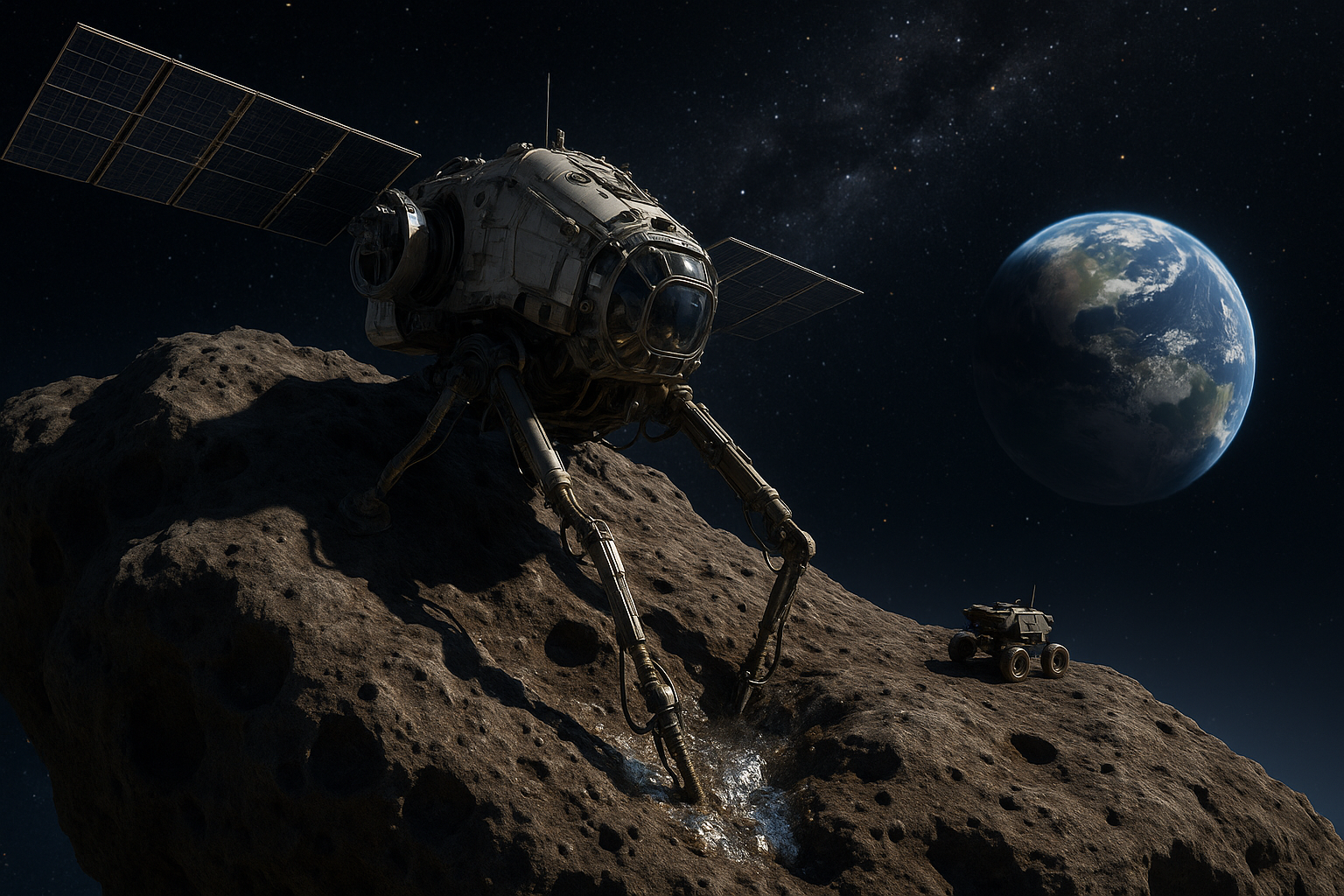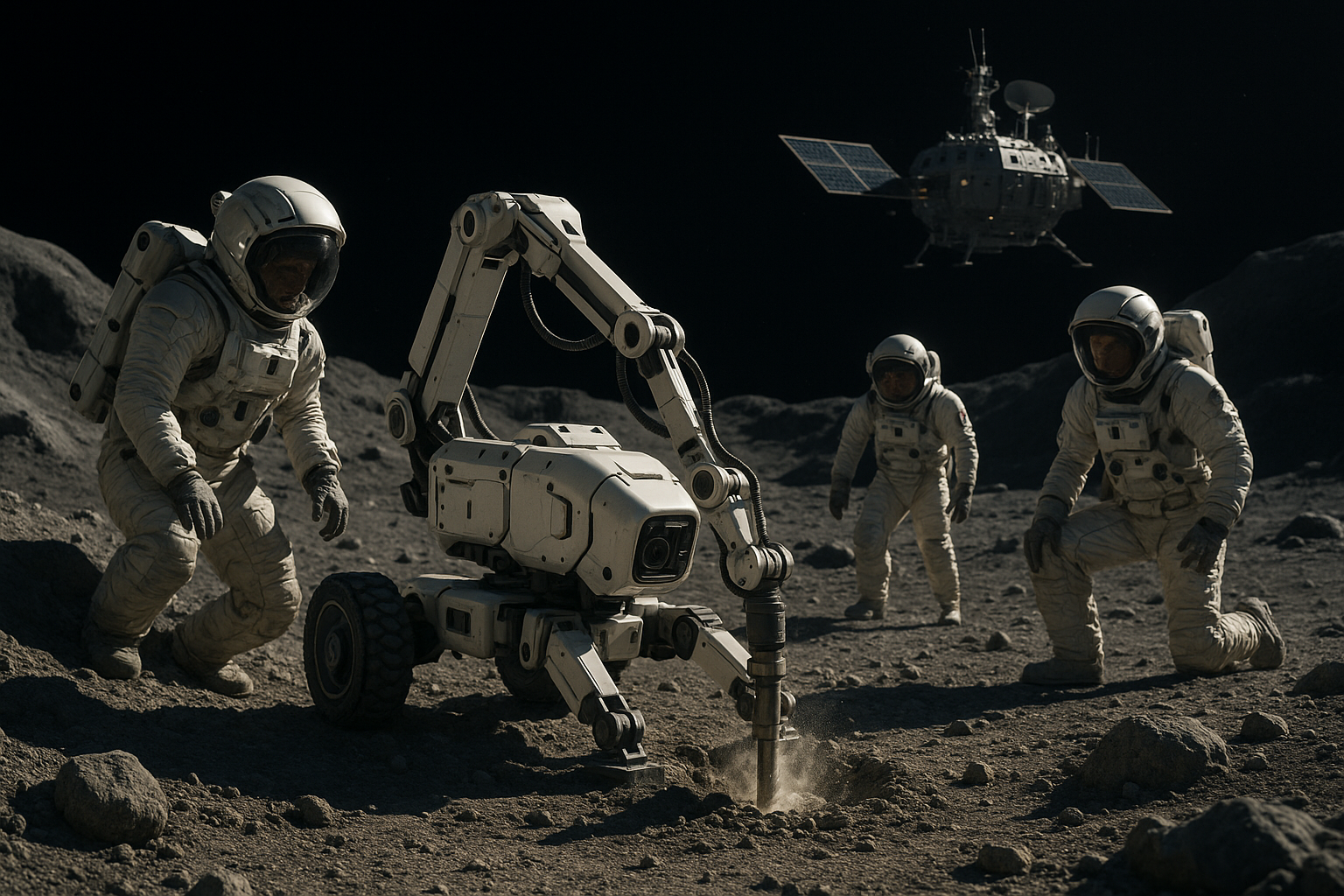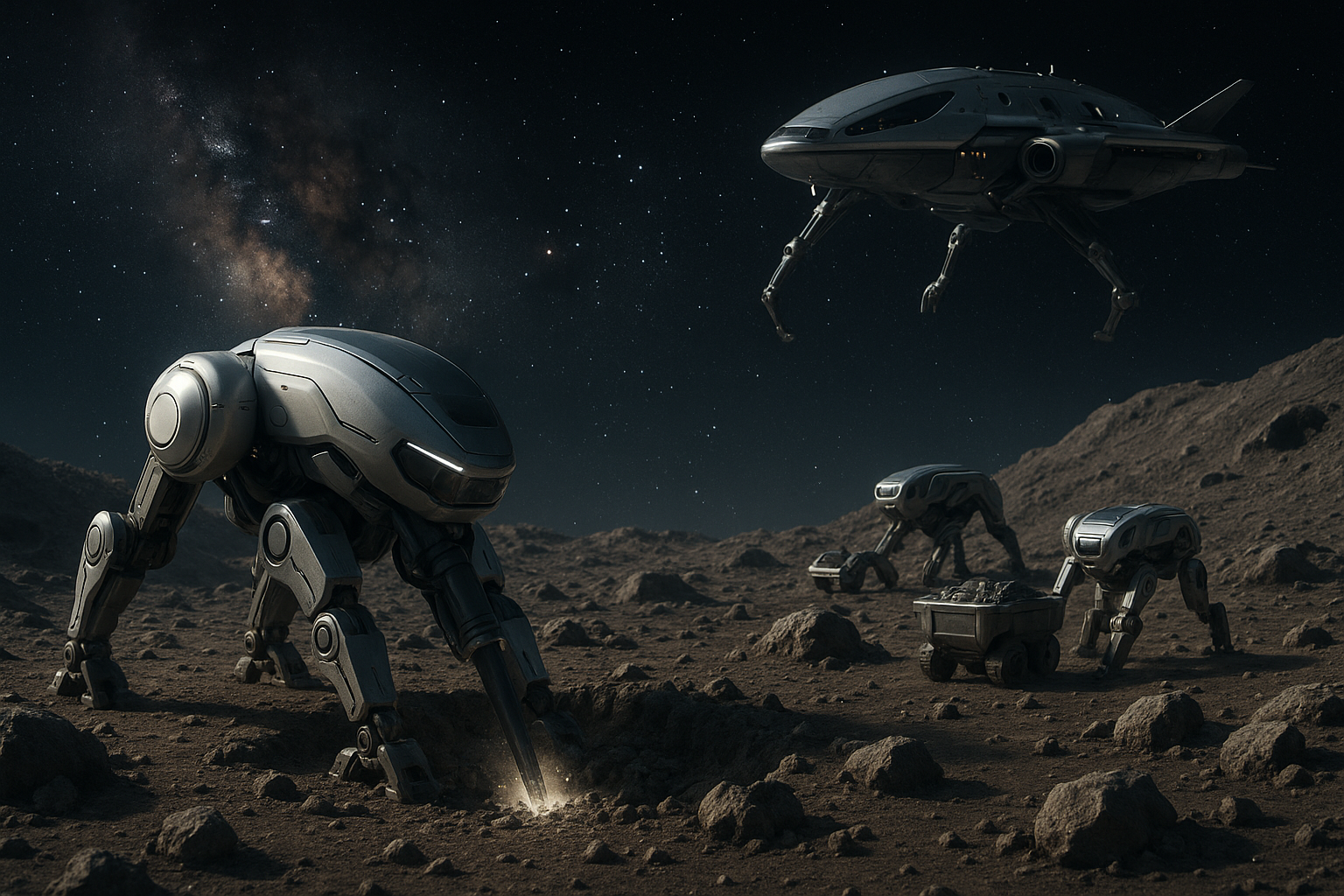
As humanity stands on the cusp of a new era, the dream of becoming a multi-planetary species is no longer confined to the realm of science fiction. 🚀 The vision of venturing beyond Earth, exploring distant worlds, and perhaps even establishing colonies on other planets has captured the imagination of visionaries, scientists, and adventurers alike. This audacious journey into the cosmos is not just about exploration; it’s about the survival and evolution of humankind.
In recent years, advancements in space technology and growing interest from private companies have brought us closer than ever to realizing this dream. Names like SpaceX and Blue Origin have become synonymous with innovation and ambition in space travel. These organizations, alongside government agencies like NASA and ESA, are paving the way for a future where humans might inhabit planets beyond our own. But what drives this quest to expand our presence in the universe?
The motivation to become a multi-planetary species stems from both necessity and curiosity. On one hand, Earth faces numerous challenges: climate change, overpopulation, and the depletion of natural resources. These issues raise questions about the long-term sustainability of human life on Earth. On the other hand, the innate human desire to explore, discover, and push boundaries propels us to seek new horizons. 🌌 The stars beckon with promises of untapped knowledge and boundless possibilities.
However, the journey to becoming a multi-planetary species is fraught with challenges. The vast distances involved, the harshness of extraterrestrial environments, and the current limitations of space travel technology present significant hurdles. Despite these obstacles, the potential rewards are immense. By spreading across multiple planets, humanity can ensure its survival against existential threats and open up new avenues for scientific and technological breakthroughs.
In this comprehensive exploration, we will delve into the key topics surrounding our future as a multi-planetary species. We will begin by examining the technological advancements that are making space travel more feasible. From reusable rockets to advanced life support systems, these innovations are crucial to our interplanetary ambitions. We’ll also explore the role of international collaboration and the private sector in accelerating our progress toward this goal.
Next, we’ll consider the potential destinations for human colonization. Mars, often referred to as the “Red Planet,” stands as the most promising candidate due to its relatively hospitable conditions and proximity to Earth. But what would life on Mars truly entail? We will discuss the challenges of building sustainable habitats, growing food, and maintaining mental health in such an isolated environment. 🌱
Beyond Mars, we’ll venture into more speculative territory, exploring the possibilities of colonizing moons and even distant exoplanets. These discussions will bring to light the incredible scientific and engineering feats required to reach and inhabit these far-off worlds.
Moreover, we will reflect on the ethical and philosophical implications of becoming a multi-planetary species. As we stand on the brink of altering our place in the universe, questions about our responsibilities to other planets, potential extraterrestrial life, and the legacy we wish to leave behind will be more pertinent than ever.
The journey beyond Earth is not just about survival; it’s a testament to the resilience and ingenuity of the human spirit. As we embark on this cosmic adventure, we invite you to ponder the profound changes that may redefine our species. The future is vast, and the stars are only the beginning. 🌟 Join us as we explore the possibilities and challenges of humanity’s next great leap into the unknown.
# Beyond Earth: The Future of Humanity as a Multi-Planetary Species
Humanity has always been driven by an insatiable curiosity and an urge to explore the unknown. As we stand on the brink of a new era in space exploration, the vision of becoming a multi-planetary species is transforming from a sci-fi fantasy into a tangible goal. This article delves deep into the prospects and challenges of humanity’s potential future beyond Earth.
## The Motivation Behind Multi-Planetary Ambitions 🚀
The dream of expanding human presence beyond Earth is not solely rooted in exploration. Several compelling reasons drive this ambition, ranging from survival to technological advancement and economic growth.
### Survival of the Species
One of the most pressing motivations for seeking to inhabit other planets is the long-term survival of humanity. Earth, while currently our only home, is vulnerable to various existential threats. Natural disasters, pandemics, and asteroid impacts are just a few examples of events that could threaten our existence. Moreover, human-induced threats like climate change and nuclear warfare add layers of risk to our solitary existence on this planet.
By establishing a presence on other planets, we can create a “backup” for humanity. This diversification reduces the likelihood that a single catastrophic event could wipe out all human life. As visionary thinker Stephen Hawking once said, “I believe that the long-term future of the human race must be in space.”
### Technological Advancements
The pursuit of becoming a multi-planetary species is a powerful catalyst for technological innovation. The challenges of space travel and colonization spur advancements in various fields, including robotics, materials science, and energy production. For instance, the development of life support systems for Mars colonists could lead to breakthroughs in sustainable agriculture and closed-loop ecosystems on Earth.
Additionally, innovations in rocket technology, such as SpaceX’s Starship, aim to make space travel more affordable and accessible. These advancements not only pave the way for future missions but also benefit industries and technologies on Earth.
### Economic Opportunities
Space exploration is a burgeoning industry with vast economic potential. The space economy is projected to grow to trillions of dollars in the coming decades, driven by satellite technology, space tourism, and resource extraction. The Moon and asteroids, for example, contain valuable minerals that could be mined to support both Earth and space-based industries.
Furthermore, the establishment of off-world colonies could open new markets and create jobs in construction, transportation, and services. The economic incentives for expanding into space are significant, offering both financial returns and the prospect of advancing human civilization.
## Pioneering Destinations: Moon, Mars, and Beyond 🌕🔴
Choosing the right destination is crucial for the success of humanity’s multi-planetary future. The Moon and Mars stand out as primary targets due to their relative proximity and potential for habitability.
### The Moon: A Stepping Stone
The Moon, Earth’s natural satellite, is a logical first step in humanity’s journey beyond our home planet. Its proximity makes it an ideal location for testing technologies and strategies for living in space. The Artemis program, led by NASA, aims to return humans to the Moon and establish a sustainable presence by the end of the decade.
The Moon offers several advantages:
- Proximity: At about 384,400 kilometers from Earth, the Moon is a three-day journey, making it an accessible destination for short-term missions.
- Resources: Lunar regolith contains valuable materials such as helium-3 and rare earth elements. Additionally, water ice found in permanently shadowed craters at the poles could be used for life support and fuel production.
- Scientific Research: The Moon provides a unique platform for astronomical observations and geological studies that can enhance our understanding of both the Moon and Earth.
### Mars: The Next Frontier
Mars, often referred to as the “Red Planet,” is a primary target for human colonization. Its surface conditions, although harsh, are more Earth-like than any other planet in the solar system. Mars has a day length similar to Earth’s, seasons, and polar ice caps.
Mars presents several opportunities:
- Potential for Life: The discovery of liquid water and organic molecules on Mars raises the possibility of past or present microbial life. Understanding Mars’ habitability could answer fundamental questions about life’s existence elsewhere in the universe.
- Resource Utilization: Mars has abundant carbon dioxide, which can be used to produce oxygen and fuel. In-situ resource utilization (ISRU) technologies could make Martian colonization more feasible.
- Terraforming Possibilities: While still theoretical, the idea of terraforming Mars to create a more Earth-like environment captures the imagination of scientists and enthusiasts alike.
### Beyond Mars: The Outer Planets and Exoplanets
While the Moon and Mars are the primary focus, the outer planets and exoplanets present intriguing possibilities for future exploration. Advances in propulsion technologies and long-duration space travel could one day make these distant worlds accessible.
Considerations for exploring beyond Mars include:
- Jupiter and Saturn’s Moons: Moons such as Europa and Enceladus harbor subsurface oceans, making them prime candidates in the search for extraterrestrial life.
- Exoplanets: The discovery of Earth-like exoplanets in the habitable zones of other stars offers the tantalizing possibility of finding new homes for humanity.
## The Challenges of Establishing Off-World Colonies 🌌
While the vision of a multi-planetary future is compelling, the road to achieving it is fraught with challenges. Overcoming these obstacles requires collaboration, innovation, and perseverance.
### Technological Hurdles
One of the most significant barriers to establishing off-world colonies is the development of reliable and sustainable technologies. Life support systems, radiation protection, and energy generation are just a few of the critical areas that require advancement.
For example, the thin atmosphere and lack of a magnetic field on Mars mean that colonists will be exposed to high levels of cosmic and solar radiation. Developing effective shielding technologies is essential to protect human health. Similarly, creating sustainable habitats with closed-loop life support systems will be vital for long-term survival.
Additionally, the logistical challenges of transporting people and materials to other planets cannot be underestimated. Innovations in rocket technology and propulsion systems are needed to make space travel more efficient and cost-effective. 🚀
### Psychological and Social Challenges
Living in space presents unique psychological and social challenges. The isolation and confinement of space travel, combined with the harsh environments of other planets, can take a toll on mental health. Ensuring the well-being of space travelers requires careful consideration of crew dynamics, mental health support, and recreational activities.
Moreover, the development of off-world societies raises questions about governance, ethics, and culture. Establishing fair and equitable systems of governance, managing resources, and preserving cultural identity are crucial considerations for future colonies.
### Environmental and Ethical Considerations
The expansion of humanity beyond Earth brings with it environmental and ethical considerations. The impact of human activity on other planets and celestial bodies must be carefully managed to preserve their natural states.
Ethical questions also arise regarding the potential discovery of extraterrestrial life. How should humanity interact with life forms, if found, and what measures should be taken to protect them?
## The Role of Collaboration and Policy in Space Exploration
The journey to becoming a multi-planetary species is a global endeavor that requires collaboration between nations, private companies, and international organizations. Policies and frameworks must be established to ensure the responsible and sustainable exploration of space.
### International Cooperation
International cooperation is vital for sharing resources, knowledge, and expertise in space exploration. Collaborative efforts, such as the International Space Station (ISS), demonstrate the potential for successful partnerships in space.
The Artemis Accords, a set of principles for lunar exploration, aim to promote peaceful and cooperative exploration of the Moon. Similarly, the Outer Space Treaty provides a legal framework for the use of space, emphasizing the need for peaceful and cooperative activities.
### The Role of the Private Sector
The involvement of the private sector is transforming space exploration. Companies like SpaceX, Blue Origin, and Virgin Galactic are driving innovation and reducing the cost of space travel. Public-private partnerships can accelerate the development of technologies and infrastructure needed for off-world colonization.
The commercialization of space also raises questions about regulation, ownership, and the equitable distribution of benefits. Policies must be established to ensure that space activities are conducted responsibly and that the benefits are shared by all of humanity.
### Ensuring Sustainability
Sustainability is a key consideration in space exploration. The long-term success of multi-planetary initiatives depends on minimizing environmental impact and developing sustainable practices.
This includes responsible resource utilization, waste management, and the preservation of celestial environments. The development of technologies for recycling, renewable energy, and efficient resource extraction will be crucial for sustainable colonization.
## Join the Journey: Learn More and Get Involved
The vision of humanity as a multi-planetary species is not just for scientists and astronauts; it’s a collective dream that requires the imagination and support of people around the world. Here are some ways you can engage with and contribute to this exciting future:
- Stay Informed: Follow space exploration news from reliable sources to stay updated on the latest developments.
- Get Involved: Consider joining space advocacy groups or organizations that support space exploration and science education.
- Explore Educational Opportunities: There are numerous online courses and programs available for those interested in learning more about space science and technology.
To dive deeper into the fascinating world of space exploration, watch this insightful video: [How We’ll Live on Mars | National Geographic](https://www.youtube.com/watch?v=Ugv1sm86P7U).
Humanity’s journey to become a multi-planetary species is just beginning. As we look to the stars, we carry with us the hopes, dreams, and ingenuity that define us as a species. Together, we can overcome the challenges and embrace the boundless possibilities of a future beyond Earth. 🌌
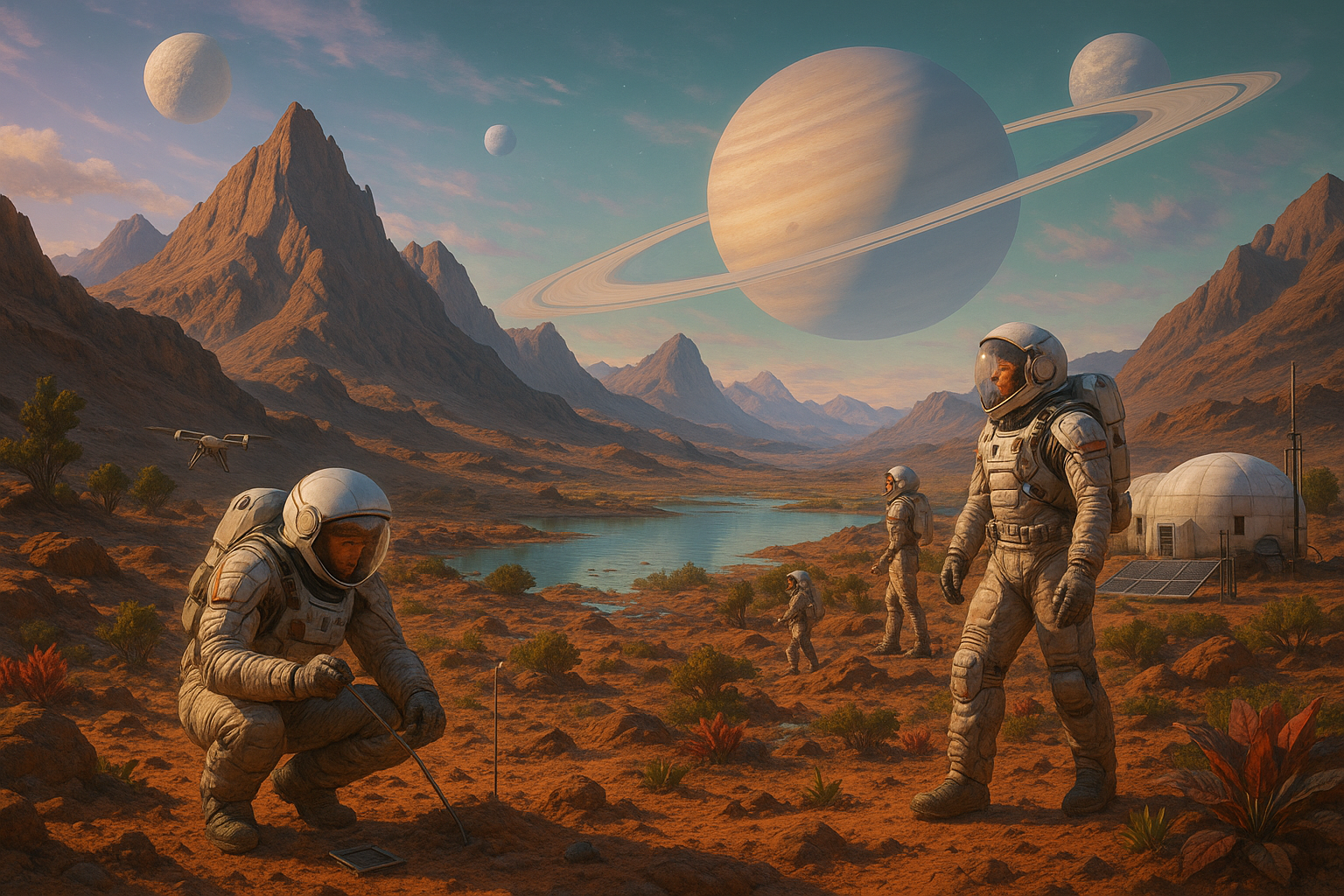
Conclusion
Conclusion: Embracing Our Future Among the Stars 🚀
As we draw to a close in our exploration of the future of humanity as a multi-planetary species, it’s essential to reflect on the key themes and insights we’ve gathered. This journey “Beyond Earth” isn’t just about the technical feats or the scientific breakthroughs, but also about the indomitable spirit of human curiosity and the relentless pursuit of knowledge. Let’s revisit the pivotal points discussed throughout this article and consider the broader implications of our cosmic aspirations.
Firstly, we delved into the technological advancements that are paving the way for interplanetary travel. From the development of reusable rockets to cutting-edge propulsion systems, the strides made in aerospace technology are nothing short of revolutionary. Companies like SpaceX and NASA are at the forefront, with projects such as the Starship and Artemis missions aiming to establish a human presence on Mars and the Moon, respectively. These technologies not only enhance our capabilities in space exploration but also inspire a new generation of scientists and engineers.
Next, we explored the biological and ecological challenges of sustaining human life on other planets. The hostile environments of Mars and beyond pose significant threats, from radiation exposure to extreme temperatures and limited resources. However, innovations in bioengineering and closed-loop life support systems offer promising solutions. The research into genetically modified organisms that could thrive in extraterrestrial soils or the development of sustainable habitats showcases our adaptability and resilience.
Furthermore, the discussion on the ethical and societal implications of becoming a multi-planetary species cannot be overstated. This leap into space raises profound questions about the preservation of human rights, the prevention of extraterrestrial colonialism, and the protection of potential alien ecosystems. It prompts us to consider how we define and uphold ethical standards as we extend our reach beyond Earth.
Economically, the prospects of space colonization offer new opportunities and challenges. The potential for mining asteroids for rare minerals, the establishment of space tourism, and the creation of extraterrestrial economies could redefine global markets. However, it also necessitates the development of international policies and regulations to ensure equitable and sustainable exploitation of space resources.
Ultimately, the dream of living among the stars is not merely a technological endeavor but a profound evolution of human identity. As we stand on the cusp of becoming a multi-planetary species, we must embrace the philosophical and existential shifts that accompany such a transformation. This journey compels us to redefine our understanding of community, belonging, and purpose.
The importance of this topic extends beyond scientific circles. It’s a call to action for educators, policymakers, and individuals across the globe to invest in STEM education, support sustainable practices, and engage in dialogues about our shared future. 🌍 This venture requires a collective effort, driven by the shared vision of a thriving human presence beyond Earth.
As we gaze at the stars and ponder our place in the cosmos, let us carry forward the lessons learned and the inspirations ignited. We are not just explorers; we are pioneers of a new era. Let this be a testament to our capability to dream big and our determination to turn those dreams into reality.
We encourage you to continue exploring the fascinating world of space exploration and share your thoughts and aspirations with us. Let’s keep the conversation going. Share this article with your network, engage with the content, and apply what you’ve learned to inspire others.
Together, let’s ensure that the journey “Beyond Earth” is a bold step towards a future where the human spirit knows no bounds. 🌟

Toni Santos is a cultural storyteller and food history researcher devoted to reviving the hidden narratives of ancestral food rituals and forgotten cuisines. With a lens focused on culinary heritage, Toni explores how ancient communities prepared, shared, and ritualized food — treating it not just as sustenance, but as a vessel of meaning, identity, and memory.
Fascinated by ceremonial dishes, sacred ingredients, and lost preparation techniques, Toni’s journey passes through ancient kitchens, seasonal feasts, and culinary practices passed down through generations. Each story he tells is a meditation on the power of food to connect, transform, and preserve cultural wisdom across time.
Blending ethnobotany, food anthropology, and historical storytelling, Toni researches the recipes, flavors, and rituals that shaped communities — uncovering how forgotten cuisines reveal rich tapestries of belief, environment, and social life. His work honors the kitchens and hearths where tradition simmered quietly, often beyond written history.
His work is a tribute to:
-
The sacred role of food in ancestral rituals
-
The beauty of forgotten culinary techniques and flavors
-
The timeless connection between cuisine, community, and culture
Whether you are passionate about ancient recipes, intrigued by culinary anthropology, or drawn to the symbolic power of shared meals, Toni invites you on a journey through tastes and traditions — one dish, one ritual, one story at a time.