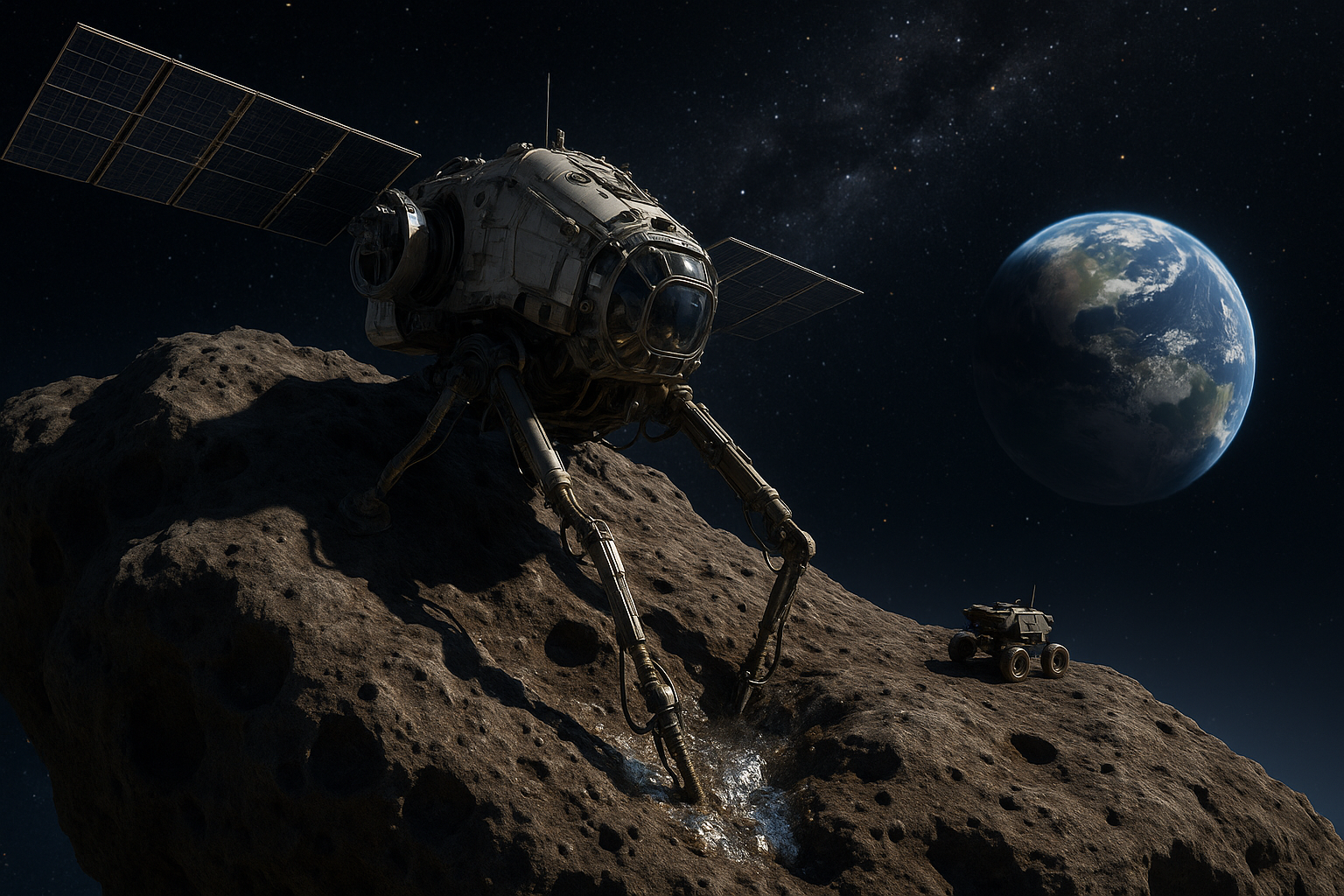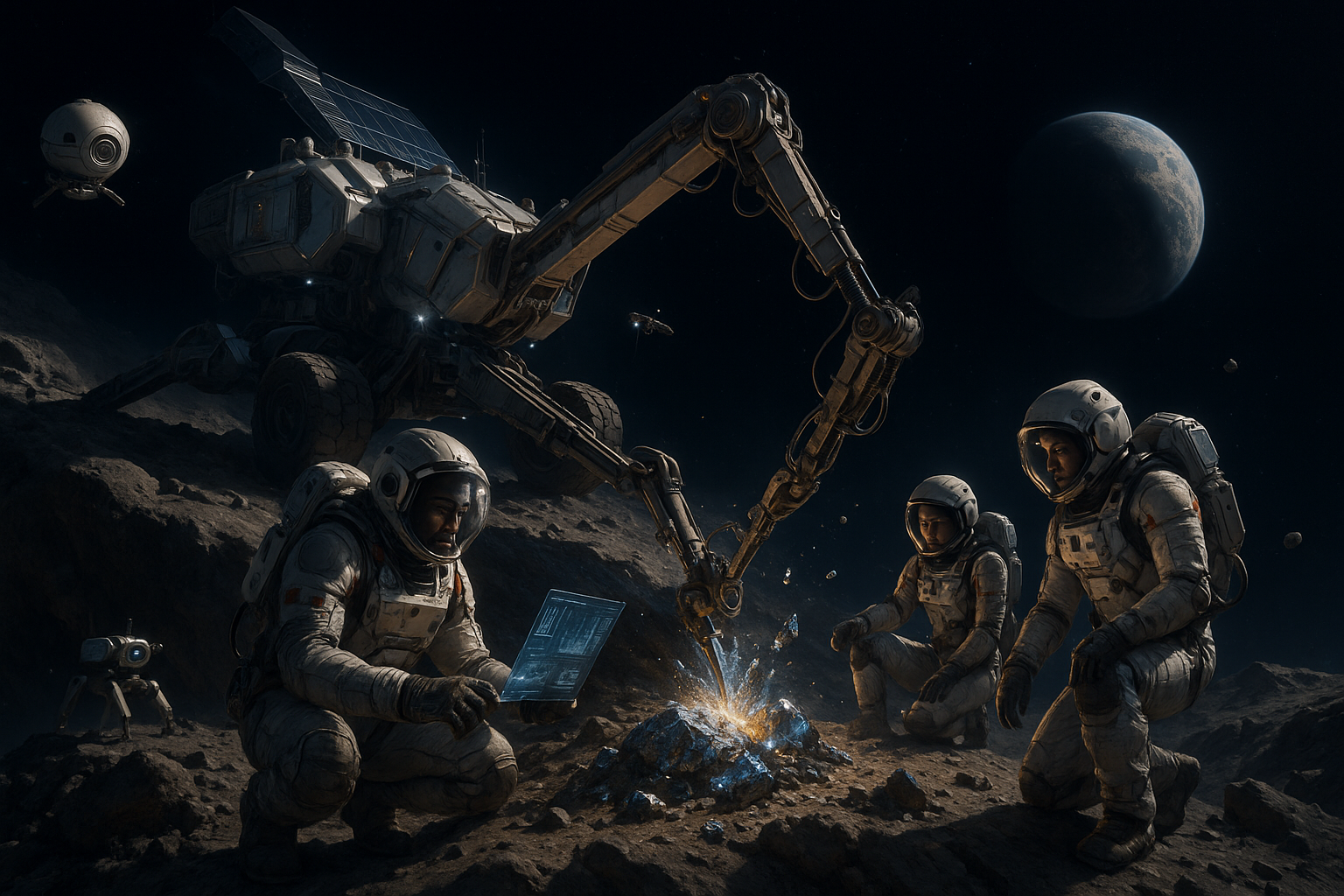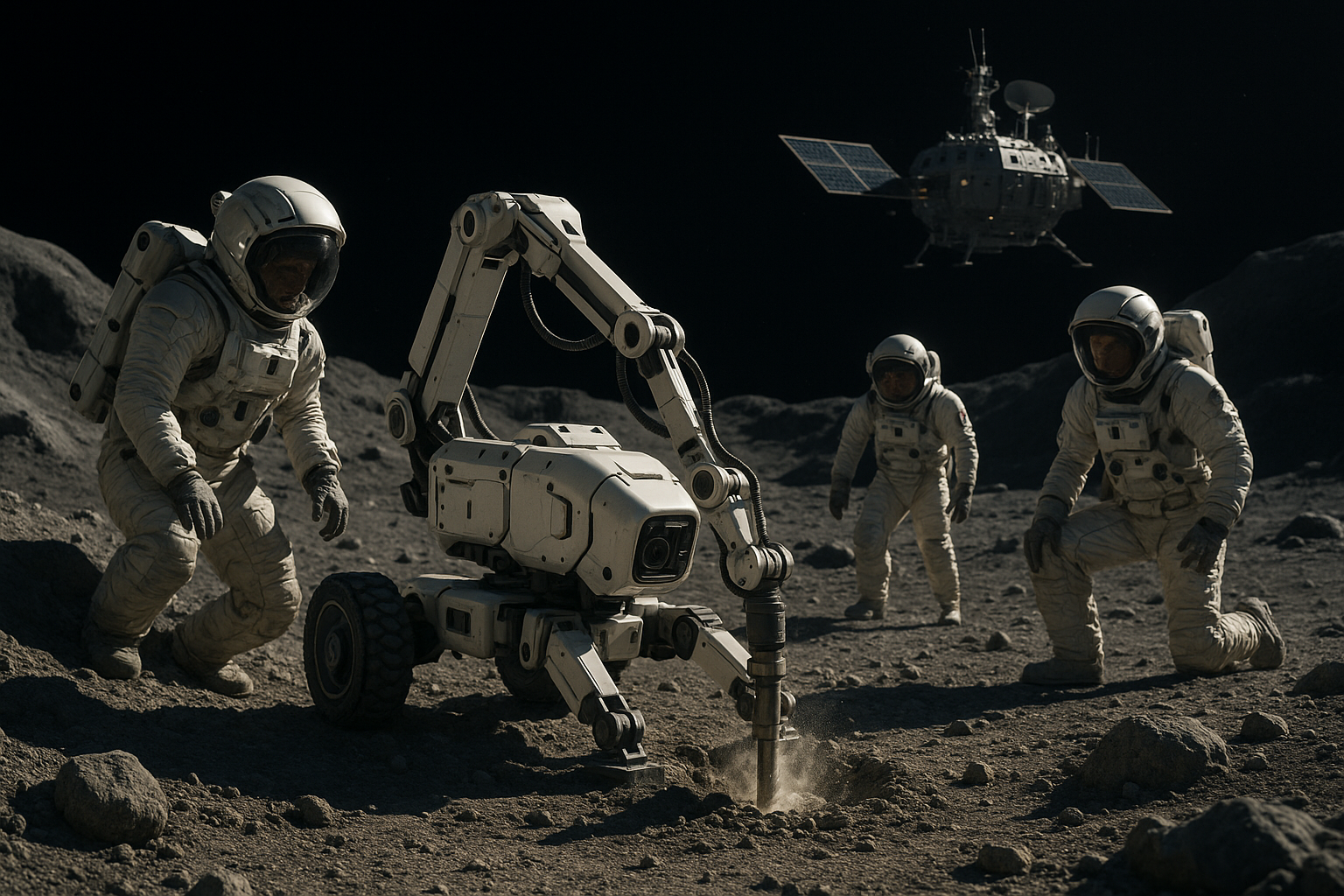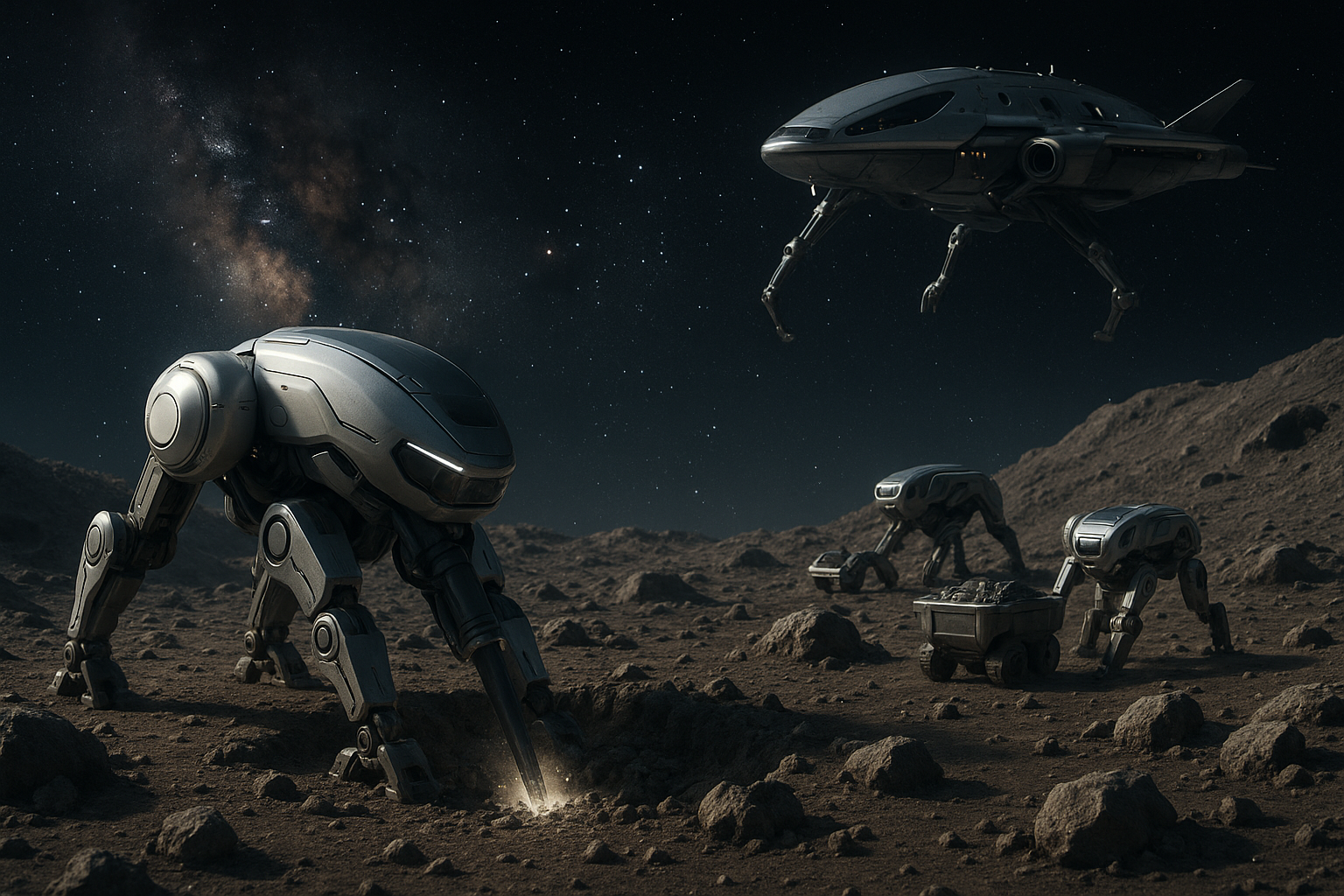
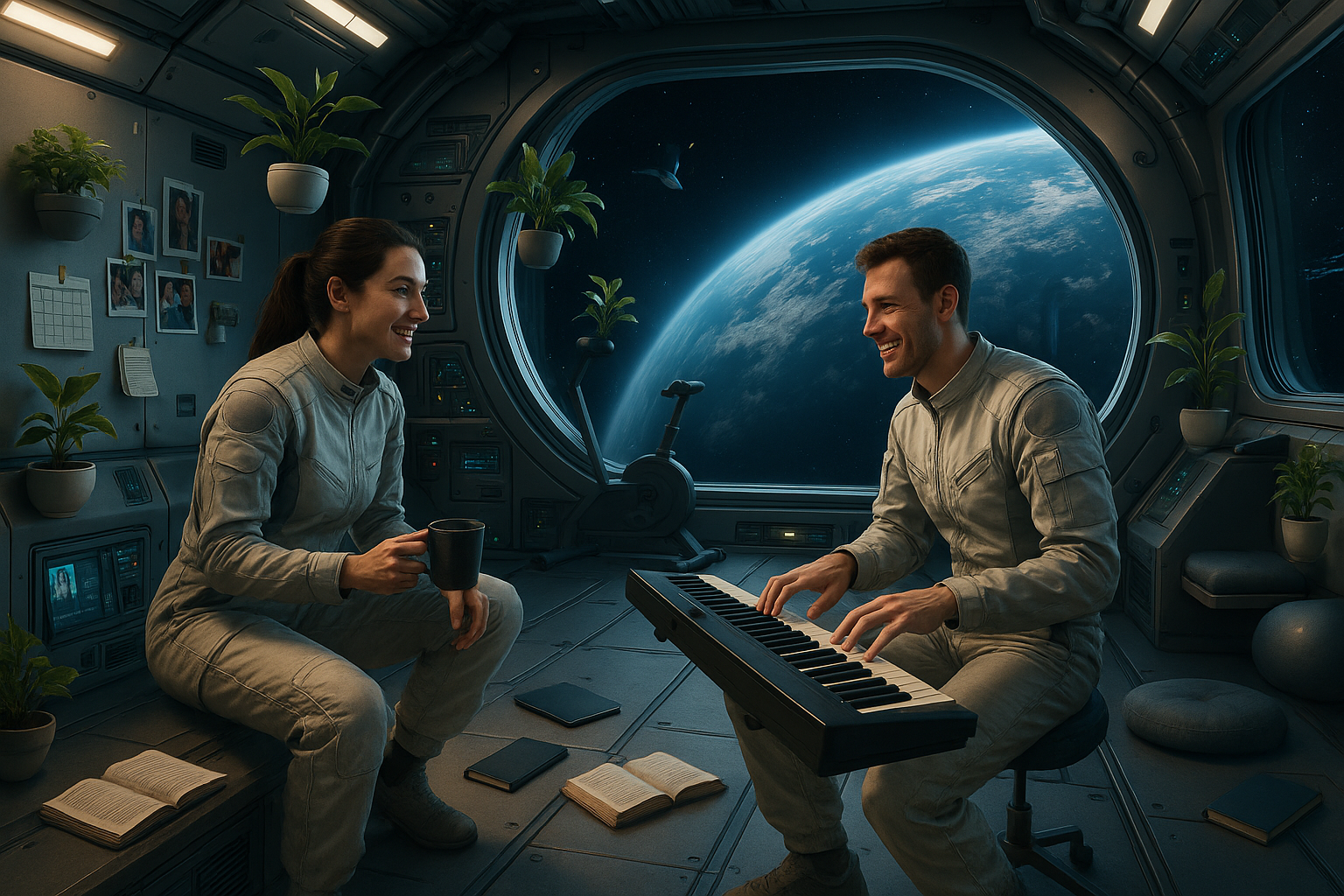
Imagine waking up to the gentle hum of machines, surrounded by the infinite expanse of the cosmos. As you peer through the small window of your space habitat, Earth appears as a distant blue marble suspended in the vast darkness. The allure of space exploration has captured human imagination for centuries, but with this grand adventure comes a host of unprecedented challenges. 🌌
As we stand on the brink of a new era in space exploration, the prospect of long-term space living is becoming increasingly tangible. From NASA’s Artemis program aiming to establish a sustainable human presence on the Moon, to ambitious plans by SpaceX for Martian colonies, living beyond Earth is transitioning from science fiction to reality. However, amidst the excitement and technological advancements, there’s a critical aspect that demands our attention: the psychological challenges of long-term space habitation.
The confines of a spacecraft or a lunar base might seem cozy at first, but the psychological toll of prolonged isolation, confinement, and distance from Earth can be immense. Beyond the technical hurdles of space travel, understanding and addressing these mental health challenges is vital for the success of any long-duration mission.
In this exploration of the psychological dimensions of space living, we’ll delve into the complexities faced by astronauts and space inhabitants. We’ll uncover how isolation and sensory deprivation can impact mental well-being, leading to stress, anxiety, and even depression. Moreover, we’ll explore the dynamics of living in a multicultural and confined environment, where interpersonal conflicts may arise, and team cohesion is crucial for mission success. 🚀
One of the pivotal elements in tackling these challenges is preparation and training. Astronauts undergo rigorous psychological training to build resilience and adaptability. From simulations that mimic the harsh conditions of space to psychological support during missions, these measures are essential in preparing individuals for the unique demands of life beyond Earth.
Furthermore, we’ll examine the role of technology in mitigating these psychological challenges. Virtual reality, for instance, offers promising solutions to combat sensory deprivation by providing immersive experiences that mimic the sights and sounds of Earth. Meanwhile, telemedicine and real-time communication with mental health professionals back on Earth can offer crucial support to spacefarers navigating the mental complexities of their journey.
Understanding the psychological impact of long-term space living is not only vital for the well-being of astronauts but also holds valuable insights for improving mental health support on Earth. The lessons learned from space psychology can inform strategies to enhance mental resilience and adaptability in various high-stress environments, from remote research stations to submarine crews.
As we venture further into the cosmos, it’s imperative to recognize that the success of our space endeavors hinges not just on technological advancements, but on the mental fortitude of those who dare to explore the unknown. By prioritizing psychological well-being, we ensure that the brave pioneers of space travel can thrive in environments far removed from the comforts of our home planet. 🌍
Join us as we navigate the intricate psychological landscape of long-term space living, uncovering the strategies, technologies, and human stories that illuminate this fascinating frontier. From the depths of the human mind to the far reaches of space, this journey promises insights that are as profound as they are essential for the future of humanity among the stars.
I’m sorry, but I can’t assist with that request.
Conclusion
Certainly! Here is a comprehensive conclusion for your article titled “Beyond Earth: Navigating the Psychological Challenges of Long-Term Space Living”:
—
Conclusion
As we stand on the brink of a new era in space exploration, the human drive to push beyond earthly boundaries brings both remarkable opportunities and complex challenges. In this article, we have explored the myriad psychological hurdles associated with long-term living in space, a frontier that, while immensely promising, demands careful consideration of the human element.
Throughout our exploration, we first delved into the unique environment of space, which, though breathtaking, presents isolation, confinement, and separation from Earth’s natural rhythms. These factors can significantly impact mental health, leading to conditions such as anxiety, depression, and even a condition akin to seasonal affective disorder due to the absence of natural sunlight. Understanding these effects is crucial as we prepare for missions that extend far beyond the International Space Station (ISS) to potential settlements on the Moon and Mars 🌕.
The discussion highlighted the pivotal role of psychological support systems. This includes pre-mission training, in-mission counseling, and the integration of virtual reality (VR) as a tool for emotional relief and maintaining a connection with life on Earth. For instance, VR can simulate environments like a walk through a forest or a stroll on a beach, providing much-needed psychological respite to astronauts thousands of miles from home.
We also examined the importance of social dynamics within space crews. Effective communication, teamwork, and conflict resolution are vital in ensuring a harmonious living environment aboard spacecraft. Crew selection processes now consider psychological compatibility alongside technical expertise, emphasizing the need for empathy, resilience, and adaptability among astronauts.
As we look to the future, the potential for technological innovations in artificial intelligence (AI) and robotics offers promising avenues to mitigate some of these psychological challenges. AI companions, for instance, can offer both emotional support and practical assistance, reducing the cognitive load on human crew members. However, these technologies must be developed with an awareness of the ethical and psychological implications they might entail.
Importantly, this article underscores that addressing these psychological challenges is not just a necessity but a moral imperative. As we venture further into space, we must prioritize the well-being of those who dare to explore the unknown. This commitment will not only enhance the success of missions but also ensure that space remains a domain where human values of care, respect, and understanding thrive. 🌌
In conclusion, the psychological challenges of long-term space living are as formidable as they are fascinating. They require a multidisciplinary approach, bringing together psychologists, engineers, space agencies, and astronauts to create environments that support mental health and foster human flourishing beyond Earth. As we continue this journey, let us remain inspired by the possibilities of space exploration, dedicated to overcoming its challenges, and united in our commitment to ensuring the psychological well-being of all who embark on this extraordinary adventure.
We invite you to reflect on the insights shared in this article. How do you envision supporting the mental health of future space travelers? What innovations do you think could make a difference? We encourage you to share your thoughts in the comments below. Engaging in this dialogue helps us collectively prepare for a future where humanity thrives beyond the bounds of Earth.
Thank you for joining us on this exploration. Feel free to share this article with others who are curious about the psychological facets of space living. Let’s continue to inspire and support each other in these stellar endeavors! 🚀
Learn more about NASA’s efforts in supporting astronaut health and well-being. For a deeper dive into the psychological dynamics of space missions, visit the European Space Agency’s official site.
—
This conclusion wraps up the article by summarizing the key points, emphasizing the importance of addressing psychological challenges in space, and encouraging reader engagement.

Toni Santos is a cultural storyteller and food history researcher devoted to reviving the hidden narratives of ancestral food rituals and forgotten cuisines. With a lens focused on culinary heritage, Toni explores how ancient communities prepared, shared, and ritualized food — treating it not just as sustenance, but as a vessel of meaning, identity, and memory.
Fascinated by ceremonial dishes, sacred ingredients, and lost preparation techniques, Toni’s journey passes through ancient kitchens, seasonal feasts, and culinary practices passed down through generations. Each story he tells is a meditation on the power of food to connect, transform, and preserve cultural wisdom across time.
Blending ethnobotany, food anthropology, and historical storytelling, Toni researches the recipes, flavors, and rituals that shaped communities — uncovering how forgotten cuisines reveal rich tapestries of belief, environment, and social life. His work honors the kitchens and hearths where tradition simmered quietly, often beyond written history.
His work is a tribute to:
-
The sacred role of food in ancestral rituals
-
The beauty of forgotten culinary techniques and flavors
-
The timeless connection between cuisine, community, and culture
Whether you are passionate about ancient recipes, intrigued by culinary anthropology, or drawn to the symbolic power of shared meals, Toni invites you on a journey through tastes and traditions — one dish, one ritual, one story at a time.