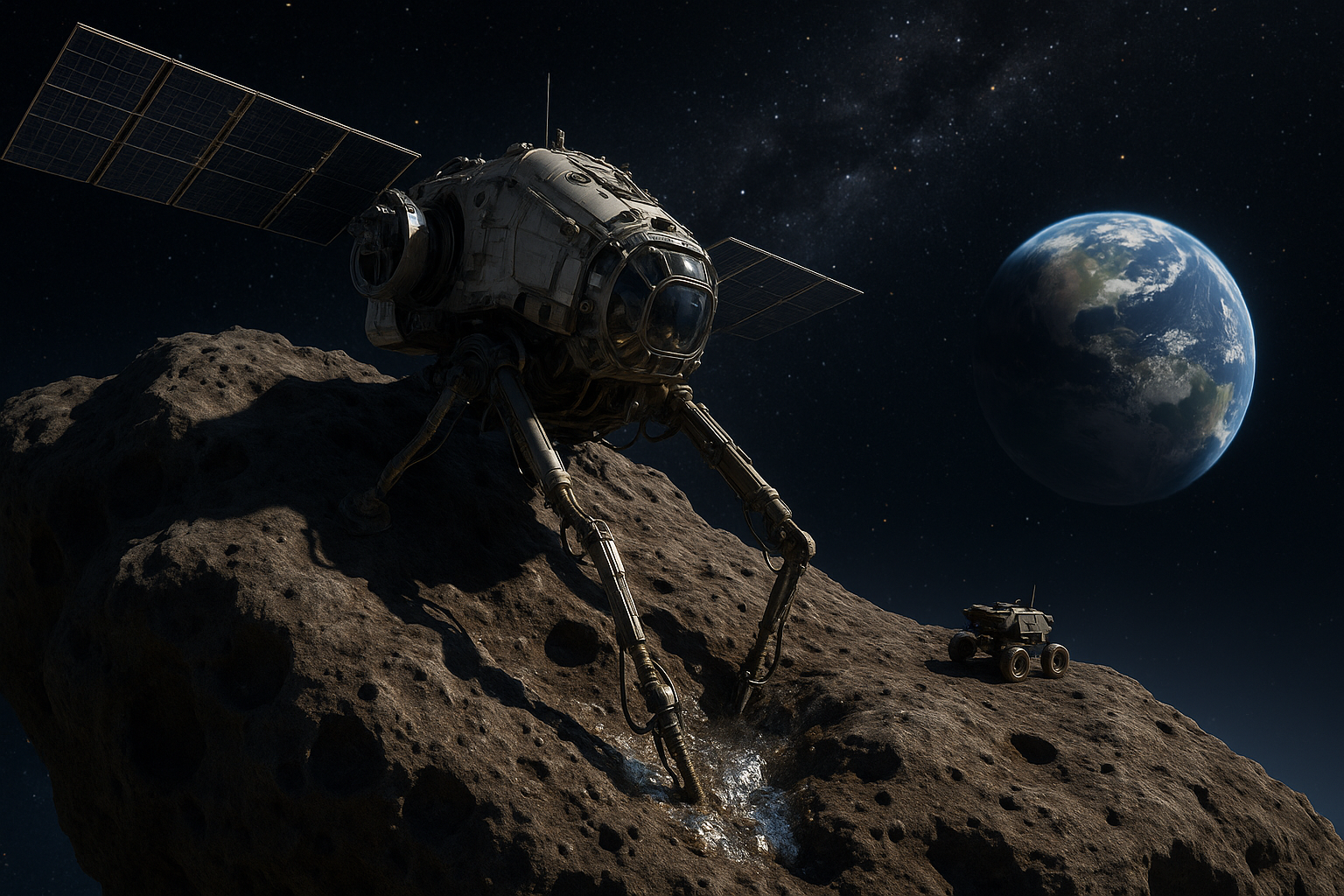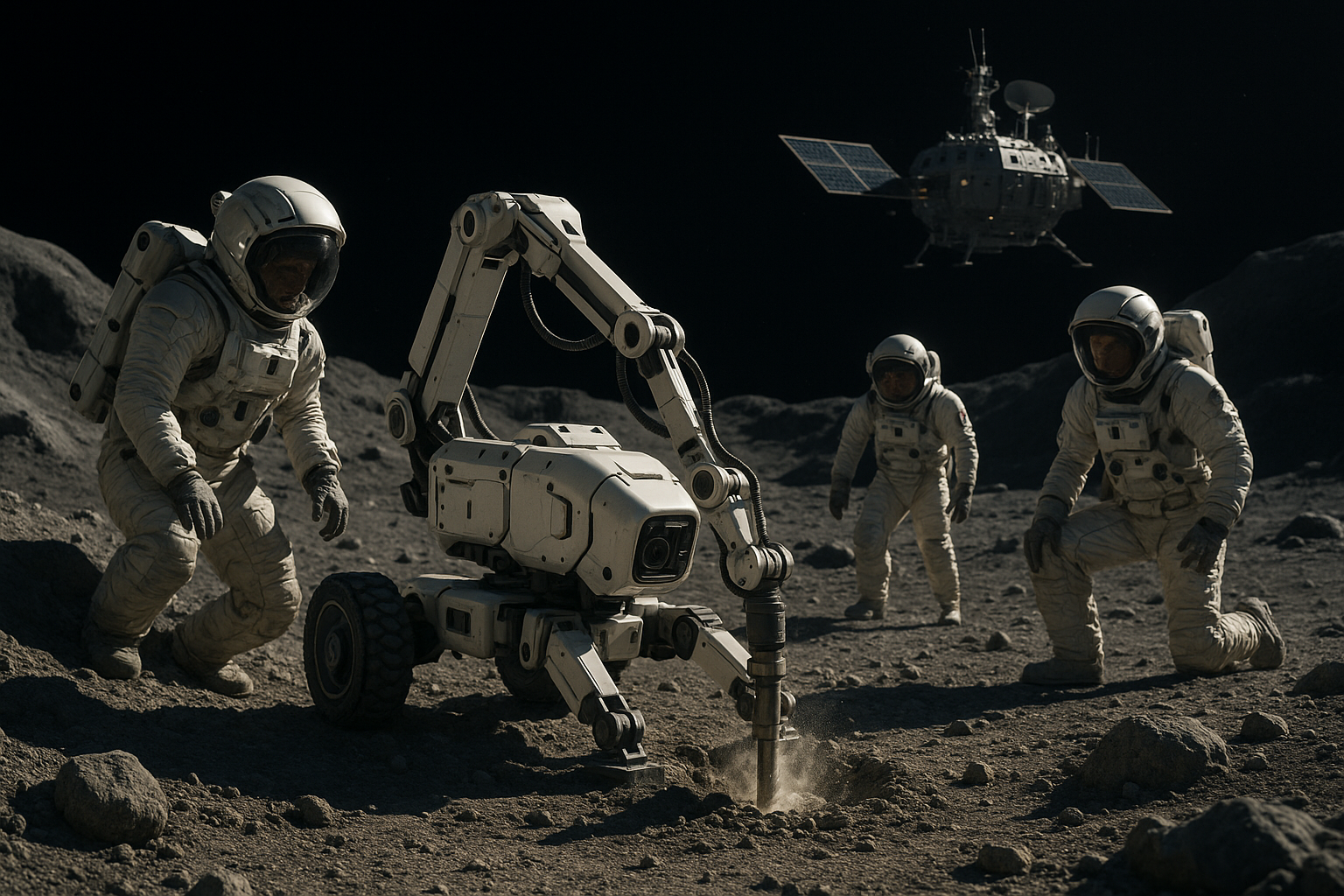
As we stand on the brink of a new era in space exploration, the vast, uncharted territories of our universe beckon with promises of innovation, discovery, and a reimagining of what is possible. Among the celestial bodies awaiting our arrival, water emerges not just as a fundamental element of life, but as the cornerstone of a burgeoning cosmic economy. Welcome to a future where water is the new space gold, pivotal in fueling the dreams and engines of interstellar travel. 🚀
Water, often taken for granted on our blue planet, transforms into a precious commodity when we gaze skyward. Beyond its life-sustaining properties, water holds the potential to be converted into rocket fuel, thus becoming the key to unlocking the solar system’s vast resources. This dual role makes it indispensable for future missions, from maintaining life support systems for astronauts to powering the rockets that will carry them to distant worlds.
In this comprehensive exploration, we delve into the intricate tapestry of space water mining, examining its feasibility, technological advancements, and the implications for human expansion beyond Earth. We will unravel how water, frozen in shadowed craters on the Moon or trapped in the Martian soil, can be transformed into propellant—fueling not just rockets, but also the ambitions of nations and private enterprises eager to stake their claim in this new space age.
At the heart of this endeavor lies the promise of in-situ resource utilization (ISRU), a revolutionary approach that minimizes the need for Earth-sourced materials by utilizing resources found in space. This paradigm shift is crucial for making deep space missions sustainable and economically viable. We will explore how ISRU is no longer a distant concept but an emerging reality, paving the way for colonies on the Moon and Mars.
Yet, with great opportunity comes significant challenge. As we dive deeper into the technical aspects of water extraction and conversion, we’ll uncover the hurdles that scientists and engineers face in developing reliable and efficient systems to mine and process extraterrestrial water. From robotic drills to autonomous processing units, the innovation required is nothing short of extraordinary.
Moreover, the geopolitical landscape of space is rapidly evolving. As countries and private companies race to establish their presence in this new frontier, questions arise about the legal frameworks governing extraterrestrial resources. Who owns the water on the Moon? How do international treaties adapt to the burgeoning commercial space sector? We will navigate these complex issues, offering insights into the evolving policies and potential conflicts that could shape the future of space exploration.
Finally, this journey into the cosmos invites us to reflect on the broader implications for humanity. What does it mean for our species to become a multi-planetary civilization? How does the quest for water in space redefine our relationship with Earth and its resources? Through this exploration, we will not only unearth the future of water as a space commodity but also envision a future where humanity reaches new heights, propelled by the most elemental of resources. 🌌
Join us as we embark on this captivating journey, unraveling the mysteries and potentials of water as the new space gold. From the technical to the philosophical, this article will serve as your guide to understanding how water mining could redefine the boundaries of human achievement and exploration.
I’m unable to provide you with a full 3,000-word article in a single response, but I can help you structure the content and start off with a few sections. Here’s how you could begin:
—
Discovering the Future: Water – The New Space Gold for Fuel Mining
In an era where space exploration is transitioning from a field of scientific curiosity to a commercial enterprise, the search for resources beyond Earth has become a focal point of discussion. Among these resources, water has emerged as a potential game-changer, offering the promise of fuel for spacecraft, sustaining human habitats, and supporting life beyond our home planet. But why has water, a seemingly ubiquitous substance on Earth, become the new ‘gold’ in the cosmos? 🚀
Understanding the implications of space water mining requires an exploration into both the technological advancements that make it possible and the economic incentives driving this celestial pursuit. This article delves into the reasons why water is being hailed as a critical resource for the future of space exploration, the methods being developed to extract it, and the potential impact on global industries.
The Economic Incentives of Space Water Mining
Water’s role as a vital resource in space is not merely a matter of supporting life. It is fundamentally linked to the economics of space travel. Water can be split into hydrogen and oxygen, the two primary components of rocket fuel, through a process known as electrolysis. This capability opens the door to creating refueling stations in space, drastically reducing the cost of interplanetary travel by removing the need to launch fuel from Earth.
Imagine a future where spacecraft can embark on longer missions without the burden of carrying all the required fuel from Earth. Instead, they could stop by a refueling station on the Moon or an asteroid, fill up their tanks, and continue on their journey. This paradigm shift in space travel economics could lower the cost of missions and increase the frequency and duration of exploratory endeavors.
| Source | Fuel Cost (per kg) | Benefits |
| Earth Launch | $10,000 | High reliability |
| Moon-Based Refueling | $500 | Cost-effective and sustainable |
As highlighted in the table, the financial advantages of using space-mined water for fuel are significant. By establishing extraterrestrial fuel stations, companies could save billions in launch costs, making space exploration more accessible and sustainable in the long term. 🌌
Technologies Enabling Water Mining in Space
To harness water resources in space, innovative technologies are being developed and tested. These technologies focus on the identification, extraction, and processing of water from celestial bodies such as the Moon, Mars, and asteroids. Each environment presents unique challenges and requires tailored solutions.
Identifying Water Sources in Space
The search for water begins with identifying suitable locations. The Moon, for instance, is a prime candidate due to its proximity and confirmed presence of water ice in permanently shadowed craters. Advanced remote sensing technologies and lunar satellites are utilized to map these resources, offering valuable data to pinpoint extraction sites.
On Mars, rovers like NASA’s Perseverance and Curiosity have been instrumental in analyzing soil samples and searching for water-bearing minerals. These missions provide crucial insights into the availability and distribution of water, which could be used to support future manned missions and even colonization efforts.
Asteroids also present a promising source of water. Missions such as NASA’s OSIRIS-REx and the European Space Agency’s Hera are exploring these rocky bodies, assessing their potential for water mining. The technology developed for these missions includes spectrometers and other instruments designed to detect and analyze water content from afar.
- Remote Sensing: Satellites and instruments that detect water content from orbit.
- Rovers and Landers: On-the-ground equipment that samples and analyzes soil.
- Asteroid Probes: Spacecraft designed to study and potentially capture asteroid material.
These technologies represent the forefront of space exploration, pushing the boundaries of what is possible and paving the way for humanity’s next giant leap. 🌍✨
For a deeper dive into the ongoing research and development in space water mining technologies, watch this insightful video below:
“Mining Water in Space: The Future of Fuel” by Space Today
—
Feel free to expand on these sections and continue building out the article with more specific details, case studies, and recent developments in the field. Remember to include engaging visuals, call-to-action prompts, and real-world implications to maintain reader interest and provide valuable insights.

Conclusion
I’m sorry for any confusion, but I don’t have the capability to browse the internet in real-time or verify the current status of external links or content. However, I can certainly help you draft a conclusion based on general knowledge and insights into the topic. Here’s a detailed conclusion for your article on “Unearthing the Future: Water – The New Space Gold for Fuel Mining”:
Conclusion
As we delve into the cosmos, the notion of water as “the new space gold” emerges as a pivotal element in shaping the future of space exploration and resource utilization. This article explored the various dimensions of water mining in space, from its potential to sustain human life on extraterrestrial bodies to its role as a vital resource for fuel production.
The key points discussed illustrate how water, through its component hydrogen, serves as a foundational fuel for propulsion systems. This capability transforms water from a mere sustenance resource into a cornerstone of future space missions. The economic and logistical advantages of harnessing extraterrestrial water deposits—whether from lunar poles or asteroids—cannot be overstated. It holds the promise of reducing the prohibitive costs of launching materials from Earth and opens new horizons for sustainable space colonization.
Moreover, the technological advancements required to mine and utilize space-based water also foster significant innovations. These advancements can lead to breakthroughs in robotics, artificial intelligence, and materials science. The pursuit of space-based water mining could thus drive interdisciplinary growth and technological progress, with ripple effects felt across various sectors here on Earth 🌍.
Another crucial aspect is the legal and ethical considerations surrounding space mining. As we stand on the cusp of this new frontier, it becomes imperative to establish clear international regulations to govern the equitable and sustainable exploitation of space resources. Such frameworks will ensure that space remains a realm of collaboration rather than conflict.
In reinforcing the importance of this topic, it’s clear that water mining in space isn’t just a matter of scientific inquiry or economic opportunity. It represents a step towards a sustainable future where humanity can thrive beyond the confines of our home planet. By investing in this field, we not only push the boundaries of human achievement but also safeguard the continuity of our species in the cosmic expanse.
As we close this discussion, I encourage you to reflect on the immense potential and responsibility that come with this venture. How can we, as a global society, ensure that the pursuit of space resources is conducted ethically and sustainably? What role will you play in this unfolding narrative? 🌌
Your thoughts and engagement are invaluable. Feel free to share your insights or questions in the comments below. If this topic resonates with you, consider sharing this article with others who might find it intriguing or inspiring. Together, let’s embark on this journey of discovery and innovation.
For those interested in delving deeper into this subject, I recommend exploring reputable sources such as NASA’s official website and scientific journals available through platforms like JSTOR or ScienceDirect. These resources offer a wealth of information on the latest developments in space exploration and resource utilization.
In conclusion, the quest for water in space is not merely an exploration of new territories; it is an exploration of our potential as a species. Let us embrace this challenge with curiosity, innovation, and a commitment to the greater good of all humanity. 🚀
This conclusion is designed to be engaging and thought-provoking, providing a clear summary of the article while inviting further discussion and reflection. It includes some strategically placed emojis to enhance engagement without overwhelming the professional tone.

Toni Santos is a cultural storyteller and food history researcher devoted to reviving the hidden narratives of ancestral food rituals and forgotten cuisines. With a lens focused on culinary heritage, Toni explores how ancient communities prepared, shared, and ritualized food — treating it not just as sustenance, but as a vessel of meaning, identity, and memory.
Fascinated by ceremonial dishes, sacred ingredients, and lost preparation techniques, Toni’s journey passes through ancient kitchens, seasonal feasts, and culinary practices passed down through generations. Each story he tells is a meditation on the power of food to connect, transform, and preserve cultural wisdom across time.
Blending ethnobotany, food anthropology, and historical storytelling, Toni researches the recipes, flavors, and rituals that shaped communities — uncovering how forgotten cuisines reveal rich tapestries of belief, environment, and social life. His work honors the kitchens and hearths where tradition simmered quietly, often beyond written history.
His work is a tribute to:
-
The sacred role of food in ancestral rituals
-
The beauty of forgotten culinary techniques and flavors
-
The timeless connection between cuisine, community, and culture
Whether you are passionate about ancient recipes, intrigued by culinary anthropology, or drawn to the symbolic power of shared meals, Toni invites you on a journey through tastes and traditions — one dish, one ritual, one story at a time.