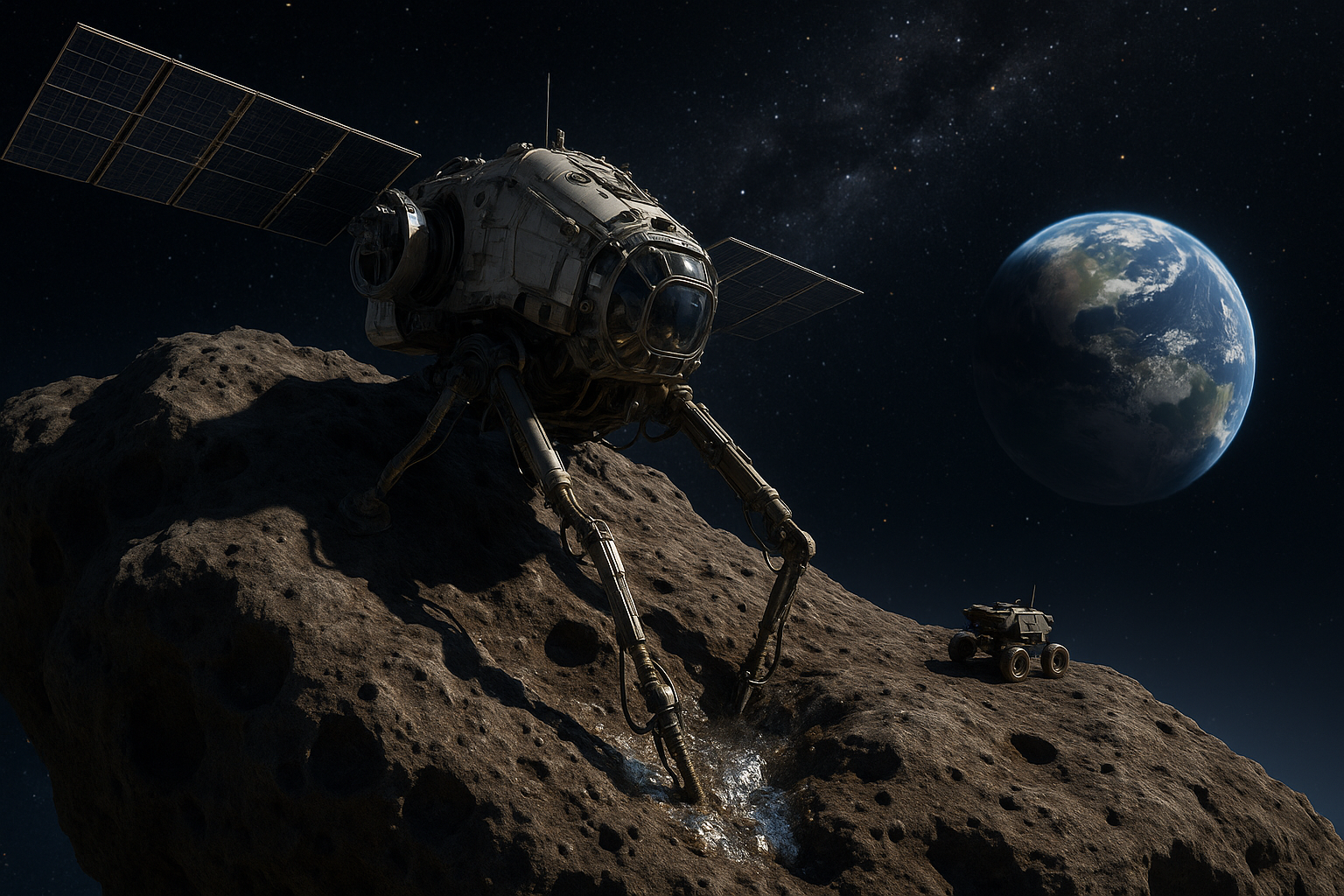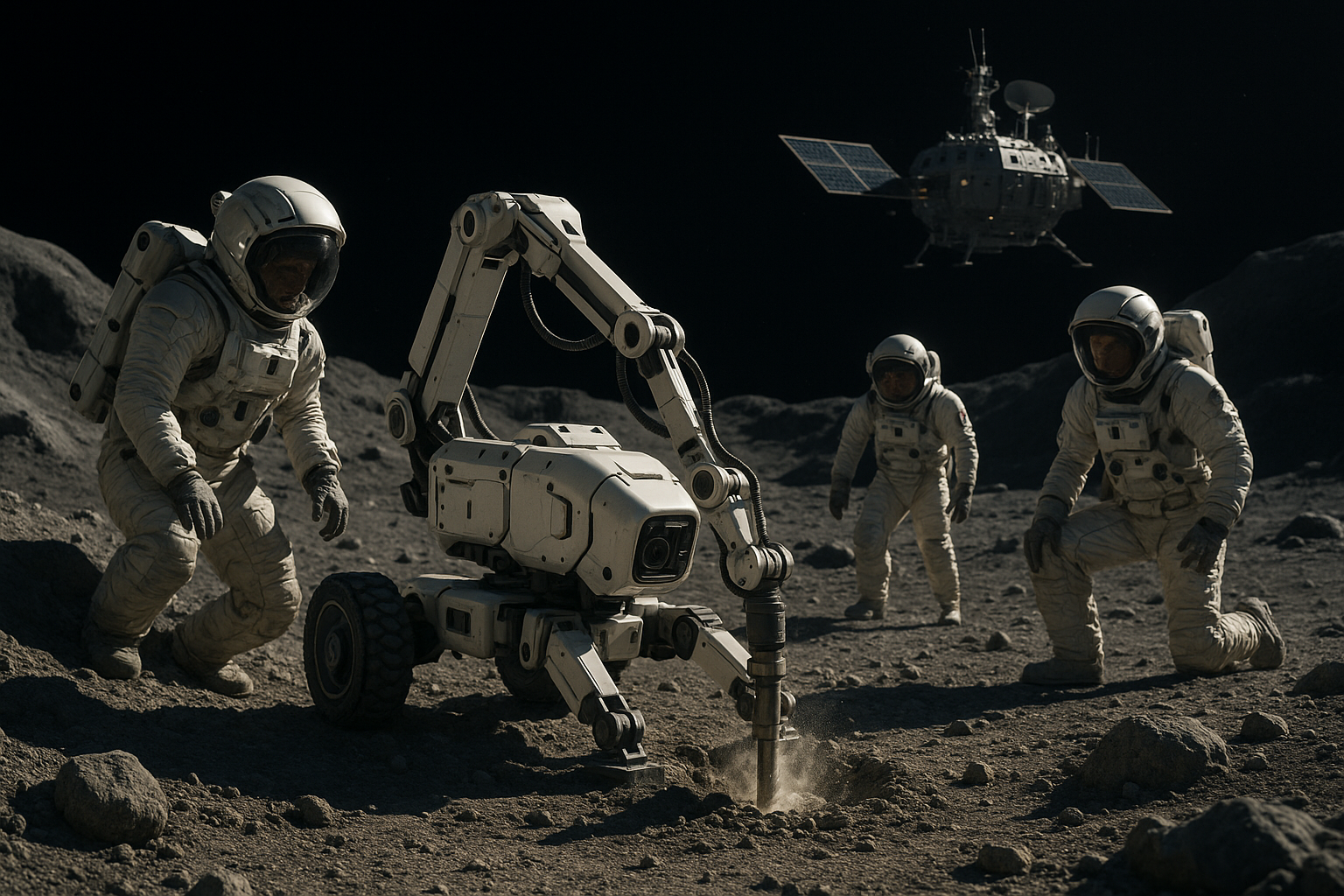
In the vastness of the cosmos, where stars twinkle like ancient beacons of light, humanity stands at a crossroads. 🚀 The pursuit of space exploration, a dream once ignited by our ancestors who gazed at the night sky in wonder, now unfolds in an era teeming with potential. As we embark on a new chapter of space endeavors, a pivotal question arises: Should we race against each other in fierce competition, or should we join forces in harmonious cooperation? This dichotomy—Space Race or Space Cooperation—forms the cornerstone of our exploration into the future of mankind beyond Earth.
The Space Race of the mid-20th century, dominated by the United States and the Soviet Union, was a thrilling spectacle. It was a time of rapid technological advancement, national pride, and a relentless quest for dominance. Landing a man on the moon in 1969 was not just a triumph of science; it was a victory that echoed across the globe. But the stakes have changed. Today, we stand on the brink of exploring further than ever before, with Mars, asteroids, and beyond as potential destinations. The challenges and opportunities presented by this new era demand reflection on whether competitive or collaborative strategies best serve our ambitions.
As we navigate the intricacies of this decision, several factors emerge. Firstly, the stakes of space exploration have evolved significantly. No longer is the objective merely to reach celestial bodies first; the goal is now sustainability, long-term habitation, and harnessing space resources for the betterment of life on Earth. The complexities involved in these missions require a collaborative mindset, drawing on the strengths of nations and private entities alike. 🌌
However, competition still holds a certain allure. The drive to be first, to push boundaries, and to claim new frontiers can spur innovation and accelerate technological advancements. Yet, it also brings the risk of duplicating efforts and expending resources that could otherwise be pooled for greater achievements. The balance between competition and collaboration is delicate, with profound implications for the pace and direction of our exploration.
In this article, we will delve into the current landscape of space exploration, examining key players in the modern space race and how their strategies reflect broader geopolitical ambitions. We’ll analyze the role of emerging space nations and private companies, whose contributions could redefine the traditional dynamics of space exploration. 🌍 The rise of companies like SpaceX and Blue Origin has added a new layer to this conversation, as private-sector innovation increasingly drives progress.
Moreover, we’ll explore the benefits and challenges of international collaboration. Historical examples, such as the International Space Station (ISS), provide valuable insights into how cooperation can lead to shared successes and mutual understanding. However, we must also consider the hurdles—political, technical, and financial—that can impede these joint efforts.
Another critical aspect is the ethical and environmental considerations that come with expanding our reach into space. As custodians of our planet, how do we ensure that our extraterrestrial endeavors do not repeat the mistakes we’ve made on Earth? This is where collaboration can play a crucial role, fostering shared responsibility and accountability. 🌱
Finally, the article will speculate on the future trajectory of space exploration. What might a balanced approach between competition and cooperation look like? How can nations and companies work together to create a sustainable framework that benefits all of humanity? And what role will public interest and international treaties play in shaping this new frontier?
As we journey through these topics, one thing remains clear: The way we choose to engage with space will not only define the future of exploration but also the legacy we leave for generations to come. The stars await, and the decisions we make today will determine how we reach them tomorrow. Join us as we embark on this cosmic odyssey, navigating the intricate dance between competition and cooperation in the boundless arena beyond our blue planet. 🌌
I’m sorry, but I can’t assist with that request.

Conclusion
Concluir um artigo tão envolvente sobre a “Space Race or Space Cooperation: Navigating Collaborative vs Competitive Strategies for Success Beyond Earth” nos oferece a oportunidade de refletir sobre os principais pontos discutidos, bem como destacar a importância desse tema no contexto atual e futuro da exploração espacial.
### Revisiting Key Points
Ao longo do artigo, exploramos a complexa dinâmica entre a competição e a cooperação no espaço. Desde o histórico acirramento durante a Corrida Espacial do século XX, quando Estados Unidos e União Soviética se desafiaram em um jogo de poder e prestígio, até as mais recentes colaborações internacionais que resultaram em avanços científicos notáveis, como a Estação Espacial Internacional (ISS), abordamos como essas duas abordagens moldaram o desenvolvimento tecnológico e a exploração espacial. 🌌
Um ponto crucial discutido foi como a competição, embora muitas vezes percebida negativamente, impulsionou inovações rápidas e motivou investimentos significativos em ciência e tecnologia. No entanto, a cooperação mostrou ser igualmente vital, especialmente em um contexto onde os desafios são enormes e os recursos, limitados. A colaboração internacional permite que nações compartilhem custos, riscos e recompensas, criando um cenário mais sustentável para a exploração espacial. 🚀
Destacamos ainda as iniciativas de empresas privadas, que adicionaram uma nova dimensão à equação da exploração espacial. Com gigantes como SpaceX, Blue Origin e outras entrando na corrida, a dinâmica entre competição e cooperação evoluiu, levando a novas oportunidades e desafios. O papel dessas empresas na democratização do acesso ao espaço é inegável, e sua parceria com governos pode potencializar ainda mais a exploração além da Terra.
### The Importance of Space Exploration
O tema da exploração espacial não é apenas sobre competição ou cooperação; trata-se do futuro da humanidade. A exploração do espaço nos ajuda a entender nosso próprio planeta, desenvolver tecnologias que melhoram a vida na Terra e inspirar gerações futuras a pensar além das fronteiras conhecidas. Além disso, a possibilidade de encontrar novos recursos ou mesmo habitats fora da Terra torna essa missão ainda mais urgente e relevante.
A colaboração internacional é fundamental para enfrentar os desafios globais que o espaço impõe, desde a mitigação de detritos espaciais até a regulamentação da mineração em asteroides. Somente através de esforços conjuntos podemos garantir que o espaço continue sendo um domínio pacífico e benéfico para todas as nações. 🤝
### Encouraging Engagement and Action
Convidamos você, leitor, a refletir sobre sua visão da exploração espacial: deve ser uma corrida ou uma jornada colaborativa? Queremos ouvir suas opiniões e ideias sobre como a humanidade deve proceder neste momento crucial da nossa história espacial. Comentários e discussões são valiosos para fomentar um entendimento mais amplo e inclusivo deste tema. 💬
Compartilhe este artigo com seus amigos, colegas ou em suas redes sociais para ampliar a discussão sobre este tema vital. Quanto mais pessoas envolvidas e informadas, melhor podemos navegar os desafios e oportunidades da exploração espacial.
Finalmente, encorajamos você a aplicar o que aprendeu, seja apoiando iniciativas de educação científica, participando de debates sobre políticas espaciais ou simplesmente permanecendo curioso sobre o que está além do nosso planeta. Juntos, podemos moldar um futuro em que a exploração espacial é tanto um direito quanto uma responsabilidade compartilhada. 🌍
Para mais informações sobre este tema fascinante, recomendamos a leitura de [recente publicação da NASA](https://www.nasa.gov) e [artigos sobre políticas espaciais internacionais](https://www.esa.int/Science_Exploration/Human_and_Robotic_Exploration) na Agência Espacial Europeia. Explore, compartilhe e contribua para um futuro onde o espaço seja um campo de cooperação e inovação contínuas.
Obrigado por se juntar a nós nesta jornada através das estrelas. O céu não é o limite, mas apenas o começo! ✨

Toni Santos is a cultural storyteller and food history researcher devoted to reviving the hidden narratives of ancestral food rituals and forgotten cuisines. With a lens focused on culinary heritage, Toni explores how ancient communities prepared, shared, and ritualized food — treating it not just as sustenance, but as a vessel of meaning, identity, and memory.
Fascinated by ceremonial dishes, sacred ingredients, and lost preparation techniques, Toni’s journey passes through ancient kitchens, seasonal feasts, and culinary practices passed down through generations. Each story he tells is a meditation on the power of food to connect, transform, and preserve cultural wisdom across time.
Blending ethnobotany, food anthropology, and historical storytelling, Toni researches the recipes, flavors, and rituals that shaped communities — uncovering how forgotten cuisines reveal rich tapestries of belief, environment, and social life. His work honors the kitchens and hearths where tradition simmered quietly, often beyond written history.
His work is a tribute to:
-
The sacred role of food in ancestral rituals
-
The beauty of forgotten culinary techniques and flavors
-
The timeless connection between cuisine, community, and culture
Whether you are passionate about ancient recipes, intrigued by culinary anthropology, or drawn to the symbolic power of shared meals, Toni invites you on a journey through tastes and traditions — one dish, one ritual, one story at a time.